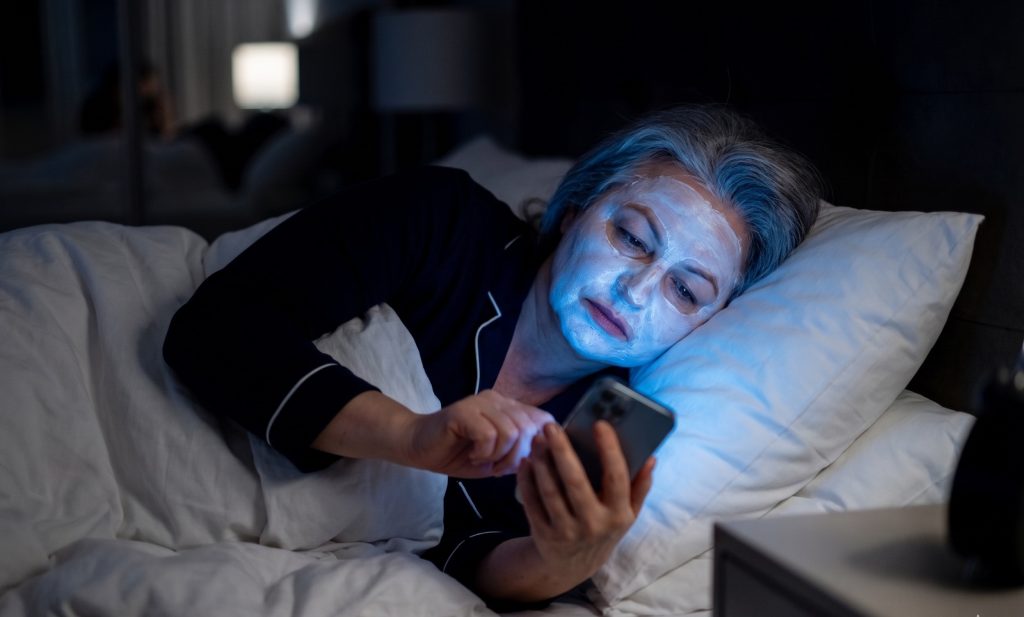
“My weekends and workdays often drift significantly apart, I force myself to be an early riser for workdays whereas I’m a total log at the weekends”
Why did I do it
Sleep has always occupied a strange place in modern health culture. Everybody agrees it matters, yet most people live in ways that quietly destroy it. Artificial lighting, endless screen exposure, late night work, social media, caffeine dependence, irregular schedules, stress, overstimulation, and modern work culture all seem fundamentally misaligned with how human biology probably evolved.
For years I treated my own sleep patterns mostly as a discipline problem. I assumed I simply needed to become more organised, more productive, more “morning person” oriented. Early waking is heavily glorified within wellness culture. Every successful founder apparently wakes at 5am, meditates before sunrise, trains intensely, drinks green juice, and somehow maintains perfect cognitive clarity before the rest of the world wakes up. I repeatedly tried to force myself toward that model.
I recently became more inclined to think that not everyone is biologically wired the same way when it comes to sleep timing, energy rhythms, focus windows, and circadian biology. For the life of me, I couldn’t get myself out of bed at 5am or 6am like those super successful CEOs. This curiosity led me to the free chronotype test by ADS Vitality The Circadian Nutritionist™.
Adriano Dos Santos featured on a Yes to Life Radio Show called “A Matter of Timing”, which I am an editor of as part of my work with Yes to Life. During the discussion he spoke about circadian biology, chrononutrition, metabolic timing, sleep behaviour, and how deeply modern lifestyles disrupt the body’s natural rhythms. The conversation felt grounded in physiology rather than generic wellness advice. It connected many things I had already been noticing through integrative health research including energy fluctuations, sleep timing, light exposure, meal timing, nervous system stress, and late evening alertness. Hearing the interview made me curious enough to try the chronotype assessment myself rather than simply reading about circadian health theoretically.
I expected something relatively superficial, similar to the generic “are you a lion, wolf, dolphin or bear” style internet chronotype quizzes that circulate. I’ve done so many of those useless things, professionally and via career or business coaches and corporate training courses. Instead, this report felt far more detailed, clinical and biologically focused than I expected. It analysed chronotype classification, social jetlag, circadian misalignment, meal timing, light exposure, sleep stability, and estimated DLMO, which refers to dim light melatonin onset, one of the core markers of circadian rhythm timing. The results were unexpectedly confronting because they explained patterns I had spent years fighting against. I’m still processing the results.
The Beginning
My interest in circadian health developed gradually through the wider integrative health world. The more I explored longevity research, nervous system regulation, metabolic health, stress physiology, and preventative medicine, the more circadian biology kept appearing repeatedly underneath everything else. Circadian health is not only about sleep quantity, the timing itself also matters.
Two people may both sleep eight hours while experiencing completely different biological outcomes depending on when they sleep, how consistent their schedule is, when they eat, how much morning light exposure they receive, and how aligned their internal clock is with external demands. I had already noticed certain patterns in my own life long before taking the test:
- I naturally became more mentally alert later in the evening
- forcing early mornings often feels physically punishing
- my focus and productivity windows rarely match conventional schedules
- late night creativity feels unusually natural
- shifting sleep schedules creates major fatigue for me
- weekends and workdays often drift significantly apart, I force myself to be an early riser for workdays whereas I’m a total log at the weekends
Society treats evening chronotypes almost like behavioural failures. Early risers are viewed as disciplined and productive. Night owls are often framed as disorganised, lazy, or unhealthy even when their biology may simply operate differently. The ADS Vitality test interested me because it approached chronotype through circadian science rather than productivity culture.
The Product / Therapy
The ADS Vitality chronotype assessment combines several recognised circadian and chronobiology frameworks to generate a personalised circadian health report. According to the report methodology, the system incorporates:
- MEQ (Morningness Eveningness Questionnaire)
- MCTQ (Munich Chronotype Questionnaire)
- DLMO estimation
- circadian hygiene scoring
- social jetlag analysis
- circadian health indexing
The test classified me as:
- Evening Owl
- Clinically: Moderately Evening Type
- MEQ Score: 34/86
The report also estimated my DLMO at approximately 22:00. DLMO, or dim light melatonin onset, is considered one of the key markers of circadian phase timing because it reflects when melatonin production naturally begins rising under dim light conditions.
The report mapped out visually:
- ideal wake windows
- cognitive performance timing
- meal timing
- exercise timing
- caffeine cut off windows
- evening light exposure
- social jetlag severity
- circadian hygiene quality
The report also generated a Circadian Health Index score showing:
- Phase: 25/25
- Stability: 9/20
- Misalignment: 20/20
- Symptoms: 2/15
Clearly my biology is not necessarily the problem. The problem is the mismatch between my natural timing and modern life structure. I found this annoying at first because I have always thought that sleep was the least of my health concerns, I sleep amazingly, I never have difficulty falling asleep or sleeping through the night.
The Experience
Reading the report created one of those strange moments where scattered patterns suddenly begin connecting into something coherent. I spent years trying to force myself into rhythms that probably never suited my underlying biology particularly well.
The report estimated:
- target bedtime around midnight
- wake window around 08:00–09:00
- peak cognitive performance between 11:00–15:00
Uncanny.
For years I repeatedly attempted earlier wake schedules because modern wellness culture constantly frames them as superior. Yet even after periods of discipline, early waking rarely felt natural or sustainable long term. The body always seemed to drift back toward later timing eventually.
One of the most confronting parts of the report was the concept of social jetlag. The report calculated my social jetlag at 3.5 hours and highlighted that anything above one hour is associated with metabolic disruption and mood disturbance. That explanation suddenly clarified something important. The exhaustion I often experienced was not necessarily only sleep deprivation. It may partly have been chronic circadian conflict. Modern work culture often forces evening chronotypes into repeated biological compromise:
- waking before natural alertness
- relying on caffeine excessively
- experiencing delayed mental clarity
- becoming productive late in the evening
- struggling to sleep early enough
- repeating the cycle again
The report also highlighted weaknesses in my:
- light exposure
- caffeine timing
- circadian hygiene consistency
The recommendations themselves were surprisingly practical rather than extreme:
- morning outdoor light exposure
- reducing evening blue light
- earlier caffeine cut offs
- more stable sleep timing
- improved meal timing consistency
The Science
Circadian biology has become one of the most important emerging areas within modern health research. For decades sleep itself was often undervalued culturally, but circadian science now suggests timing and rhythmic consistency may influence nearly every biological system. The body contains central and peripheral clocks regulating hormone release, metabolism, digestion, temperature, alertness, immune activity, cellular repair, and neurotransmitter rhythms.
Light exposure acts as one of the strongest circadian regulators. Morning light helps anchor the body clock while excessive evening artificial light may delay melatonin release and circadian timing. Chronotype itself appears strongly influenced by genetics, although lifestyle and environment also shape expression significantly. Research increasingly suggests evening chronotypes may experience greater difficulty within conventional work cultures because society generally operates on earlier schedules than many people naturally prefer.
Social jetlag has become particularly interesting scientifically. This refers to the mismatch between biological timing and social obligations. People often maintain one sleep schedule naturally on free days and another under workday pressure. Chronic circadian mismatch may influence mood, metabolic health, cardiovascular risk, sleep quality, cognitive performance and inflammatory signalling.
The ADS Vitality report also discussed DLMO, which is considered one of the gold standard markers of circadian phase timing. The report overall framed circadian health as behavioural and environmental rather than purely pharmaceutical. Light timing, meal timing, sleep stability, movement timing, and caffeine exposure all interact continuously with biological rhythms.
At the same time, I think circadian wellness culture can sometimes become overly rigid. Human beings still live real lives involving work demands, stress, travel, parenting, social commitments, and imperfect schedules. Obsessive optimisation around sleep timing can easily create anxiety itself.
Where does this take me now
Taking the ADS Vitality chronotype test somewhat changed the way I think about sleep. It gave structure and biological language to patterns I had spent years experiencing intuitively. I don’t see my sleep patterns, especially at the weekends, as total loser behaviour anymore. Modern culture often frames early rising as inherently virtuous and evening chronotypes as dysfunctional. But circadian biology appears far more individual than productivity culture admits. Most people are probably living in some degree of circadian misalignment without fully recognising it.
The report classified me as a moderately evening chronotype with an “Evening Owl” profile and an estimated DLMO around 22:00, suggesting my biological sleep gate naturally opens closer to midnight. That immediately explained something I had spent years interpreting as a personal failing. I am not naturally wired for highly early mornings in the way productivity culture constantly glorifies. My body and brain simply seem to operate later.
The report highlighted a social jetlag score of 3.5 hours, which is extremely significant. In practical terms, this means my workday schedule and my natural biological rhythm are pulling in different directions. Over time that creates a state similar to repeatedly travelling across time zones without ever fully recovering. Looking back, that explains why certain periods of life felt like permanent low grade exhaustion even when I technically slept enough hours. The problem was not the quantity of my sleep but more about the conflict in the timing of my sleep.
The most useful insight from the report is that I don’t necessarily need to become a completely different chronotype. I need to reduce the amount of friction between my biology and my lifestyle. Instead of endlessly forcing myself into unrealistic 5am wellness routines that never feel sustainable, my goal is to improve circadian consistency and reduce unnecessary disruption.
The report also identified several areas where my circadian hygiene needs improvement:
- poor morning light exposure
- inconsistent sleep timing
- late evening light exposure
- excessive caffeine timing
- irregular schedule shifts between workdays and free days
It’s obvious that modern life is designed to confuse circadian rhythms. Most people wake indoors, spend the day under artificial lighting, stare at bright screens late into the evening, consume caffeine too late, eat at inconsistent times, and rarely experience strong natural light cues. The body loses clear signals about when to be awake and when to sleep.
The practical changes I want to make after this report are actually relatively simple:
- get outside earlier in the morning for natural light exposure
- stop treating midnight sleep as “failure” if that is genuinely my natural rhythm
- reduce overhead lighting and screen brightness late at night
- cut caffeine (tea in my case) much earlier in the day
- stabilise sleep timing across weekdays and weekends
- stop forcing extreme early starts unnecessarily
- align important cognitive work with my actual energy peaks rather than idealised schedules
The report also changed the way I think about energy and productivity generally. For years I interpreted evening alertness as poor discipline. Now I see it more as biological timing. I’m now building structure around how my body actually functions instead of around social expectations alone. Modern culture treats humans almost like machines that should operate identically regardless of time, light exposure, season, stress, or biology. Circadian medicine suggests something very different. The body constantly responds to timing signals whether we notice them or not.
And perhaps one of the biggest forms of modern stress is living too far away from those rhythms for too long.
No affiliate links or any financial compensation has been received in return for this article. Somel of my articles involve a form of compensation but I explicitly state it when this is the case.
Previous Articles
- A Brilliant Life Is an Accumulation of Many Brilliant Days – Here’s My Perfect Health Day
- A Simpler Way to Eat Healthy Meals Without the Cognitive Overload
- My Poor Feet, Barefoot Shoes and Plantar Fasciitis
- Yoga, Vinyasa Flow, Morning Sun Salutations – I Do It Quietly and All by Myself at Home
- I Tried the ADS Vitality Chronotype Test and Discovered I’m a Strong Evening Owl